Paying the Pastor: Clergy Housing Allowances, Excess Benefit Transactions, and the Compensation Mistakes That Put a Church’s Exemption at Risk
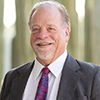
Myron S. Steeves is the Principal and founding member of the Law Office of Myron S. Steeves in Newport Beach, California, and Dean Emeritus of Trinity Law School. With more than three decades in practice, he has devoted his career to the law governing churches, religious organizations, charities, schools, and other tax-exempt entities, advising them on formation, tax exemption, board governance, and ongoing compliance.
Live Video-Broadcast: January 13, 2027
2 hour CLE
Tuition: $195.00
Co-Sponsored by myLawCLE
Get this course, plus over 1,000+ of live webinars.
Learn More
Training 5 or more people?
Sign-up for a law firm subscription plan and each attorney in the firm receives free access to all CLE Programs
Program Summary
The Board Meant Well. The Minutes Say Otherwise
Clergy compensation goes wrong through informal practices no one thought to run past counsel. It is taught from the seat of counsel to the church, not the pastor’s tax preparer. The emphasis is on the governance steps, board resolutions, and documentation that make a compensation package defensible.
Designate a housing allowance after the fact, and the IRC § 107 exclusion may not hold. Let a love offering bypass payroll, and it becomes a problem transaction. Issue a church credit card with no receipts, and the benefit can be treated as excess whether or not total compensation was reasonable. Under IRC § 4958, the recipient faces a 25% initial tax and a 200% second-tier tax. Organization managers who knowingly approve face a 10% tax. The ultimate sanction is revocation of exemption.
You leave with a ministerial status screen, a housing allowance resolution checklist, a rebuttable presumption checklist sized for small and independent churches, and an issues list for reviewing a church’s compensation practices. Hour one builds the package correctly. Hour two covers correction, internal review, and the § 7611 church tax inquiry protections. This is working judgment for counsel who reads the minutes after the fact.
Key topics to be discussed:
- Ministerial Status Screening
Apply the ordination, licensing, or commissioning test and the services-in-the-exercise-of-ministry test to the hard cases, then set the church’s payroll and reporting around the minister’s dual tax status. - Housing Allowance Designations
Draft advance § 107 designations that respect the ceiling on the exclusion, the bar on retroactive designations, and the church’s polity, with Gaylor v. Mnuchin as the constitutional backdrop. - Benefits and Governance
Structure accountable reimbursement plans, vehicles, and phones so they do not become taxable compensation, and run the vote under the bylaws with the pastor and family members recused. - Inurement and Excess Benefits
Identify the disqualified persons in a church and measure the exposure, from the 25%, 200%, and 10% excise taxes under § 4958 to revocation of exemption. - Rebuttable Presumption Steps
Establish the presumption of reasonableness in a small or independent church through an independent approving body, comparability data, and contemporaneous documentation, and catch the undocumented benefits treated as “automatic” excess. - Correcting Problem Transactions
Work through love offerings, retirement gifts, loans to pastors, and founder-pastor arrangements, then correct them with an eye on directors’ fiduciary duties under state law and the § 7611 church tax inquiry protections.
This course is co-sponsored with myLawCLE.
Date / Time: January 13, 2027
- 12:00 pm – 2:10 pm Eastern
- 11:00 am – 1:10 pm Central
- 10:00 am – 12:10 pm Mountain
- 9:00 am – 11:10 am Pacific
 Closed-captioning available
Speakers
Myron S. Steeves, Principal Attorney and Dean Emeritus | Law Office of Myron S. Steeves; Trinity Law School
Myron S. Steeves is the Principal and founding member of the Law Office of Myron S. Steeves in Newport Beach, California, and Dean Emeritus of Trinity Law School. With more than three decades in practice, he has devoted his career to the law governing churches, religious organizations, charities, schools, and other tax-exempt entities, advising them on formation, tax exemption, board governance, and ongoing compliance. The founder of the Church Law Center of California and a Contributing Editor to Church Law & Tax, he is one of the most trusted voices in the country on the legal and tax obligations of churches and the boards that lead them.
- Education & Credentials
Mr. Steeves earned his J.D. from Georgetown University Law Center and his B.A. in Intercultural Studies from Biola University. He has been a member of the State Bar of California since 1990. Before entering the law, he served as a Christian missionary focused on the Middle East, an experience that continues to inform his understanding of how ministries actually operate.
- Recognition & Leadership
Mr. Steeves served as Dean of Trinity Law School, where he is now Dean Emeritus, after beginning his teaching career in 1992 at its predecessor, Simon Greenleaf University School of Law. He serves on the Contributing Editors Board of Church Law & Tax, the leading national resource on church legal and tax compliance, and as General Counsel of the California Policy Center. He was featured in the California Lawyers Association Business Law Section Member Spotlight, and his scholarship has appeared in the Journal of Christian Legal Thought, among other publications. He is a sought-after speaker on nonprofit and religious organization law.
- Professional Involvement
Mr. Steeves has been an active member of the nonprofit committees of both the American Bar Association and the California Lawyers Association, including service on the ABA’s Model Nonprofit Corporation Act Committee and as Secretary of the Executive Committee of the California Lawyers Association’s Business Law Section. He has also served on the Board of Directors of the Christian Legal Society, on the Board of Advisors of the US-Korea Law Foundation, and as Vice President and Chancellor of the Diocese of Western Anglicans, giving him a rare view of church governance from both the lawyer’s chair and the denominational leadership table.
- Experience
Mr. Steeves began his career in business litigation at Cox, Castle & Nicholson and Booth, Mitchel & Strange before turning his practice fully to nonprofit and religious organization law and founding the Church Law Center of California, which also operates as the California Center for Nonprofit Law. He has counseled churches, ministries, charities, trade associations, and institutions of higher education on tax-exempt status, board governance, and compliance, and he regularly trains nonprofit and church boards on their legal duties. That combination of hands-on church counsel, board training, and law school leadership makes him uniquely positioned to explain how clergy compensation decisions, from housing allowances to excess benefit transactions, can protect or jeopardize a church’s exemption.
Agenda
SESSION 1 – Structuring the Package: Ministerial Status, the Housing Allowance, and Getting the Board Action Right | Myron Steeves | 12:00pm – 1:00pm
This session teaches how a lawful clergy compensation package is built, as counsel to the church and its governing body. The hour covers who qualifies as a minister for tax purposes and where the hard cases fall, the minister’s dual tax status and what it means for the church’s payroll and reporting, how the § 107 exclusion works for a parsonage and for a cash housing allowance, and why the timing and form of the board’s designation decide whether the exclusion holds. It closes with the benefits that sit beside salary and the governance mechanics under the church’s own bylaws and polity.
BREAK | 1:00pm – 1:10pm
SESSION 2 – When Compensation Goes Wrong: Private Inurement, Excess Benefit Transactions, and Protecting the Exemption | Myron Steeves | 1:10pm – 2:10pm
This session teaches what happens when clergy compensation exceeds what the law allows or was never properly approved, building on the governance framework from the first hour. The hour covers the private inurement prohibition and the § 4958 intermediate sanctions regime, who counts as a disqualified person in a church, the personal exposure of the pastor and of the board members who approve a transaction, and how a church of any size can establish the rebuttable presumption of reasonableness. It then works through the fact patterns that most often produce trouble, and closes with correction, internal review, and the protections that apply in an IRS church tax inquiry.
Credits
Alaska
Approved for CLE Credits
2 General
Alabama
Pending CLE Approval
2 General
Arkansas
Approved for CLE Credits
2 General
Arizona
Approved for CLE Credits
2 General
California
Approved for CLE Credits
2 General
Colorado
Pending CLE Approval
2 General
Connecticut
Approved for CLE Credits
2 General
District of Columbia
No MCLE Required
2 CLE Hour(s)
Delaware
Pending CLE Approval
2 General
Florida
Approved via Attorney Submission
2 General Hours
Georgia
Pending CLE Approval
2 General
Hawaii
Approved for CLE Credits
2 General
Iowa
Pending CLE Approval
2 General
Idaho
Pending CLE Approval
2 General
Illinois
Pending CLE Approval
2 General
Indiana
Pending CLE Approval
2 General
Kansas
Pending CLE Approval
2 Substantive
Kentucky
Pending CLE Approval
2 General
Louisiana
Pending CLE Approval
2 General
Massachusetts
No MCLE Required
2 CLE Hour(s)
Maryland
No MCLE Required
2 CLE Hour(s)
Maine
Pending CLE Approval
2 General
Michigan
No MCLE Required
2 CLE Hour(s)
Minnesota
Pending CLE Approval
2 General
Missouri
Approved for CLE Credits
2.4 General
Mississippi
Pending CLE Approval
2 General
Montana
Pending CLE Approval
2 General
North Carolina
Pending CLE Approval
2 General
North Dakota
Pending CLE Approval
2 General
Nebraska
Pending CLE Approval
2 General
New Hampshire
Approved for CLE Credits
120 General minutes
New Jersey
Approved for CLE Credits
2 General
New Mexico
Approved for CLE Credits
2 General
Nevada
Pending CLE Approval
2 General
New York
Approved for CLE Credits
2 General
Ohio
Pending CLE Approval
2 General
Oklahoma
Pending CLE Approval
2.5 General
Oregon
Pending CLE Approval
2 General
Pennsylvania
Approved for CLE Credits
2 General
Rhode Island
Pending CLE Approval
2.5 General
South Carolina
Pending CLE Approval
2 General
South Dakota
No MCLE Required
2 CLE Hour(s)
Tennessee
Pending CLE Approval
2 General
Texas
Approved for CLE Credits
2 General
Utah
Pending CLE Approval
2 General
Virginia
Not Eligible
2 General Hours
Vermont
Approved for CLE Credits
2 General
Washington
Approved via Attorney Submission
2 Law & Legal Hours
Wisconsin
Pending CLE Approval
2 General
West Virginia
Pending CLE Approval
2.4 General
Wyoming
Pending CLE Approval
2 General
More CLE Webinars
Trending CLE Webinars










Upcoming CLE Webinars
























































© 2026 Federal Bar Association