Smart Glasses at Work and on Business Premises: Recording Policies, Accommodations, and Privacy Exposure

Brittney Mollman is counsel in Thompson Coburn's Business Litigation group, where she focuses her practice on privacy, data governance, and emerging technology issues.
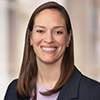
Stephanie Fredman represents employers in a broad range of labor and employment matters, helping organizations navigate workplace compliance, employee relations, policy development, and employment litigation.
On-Demand: October 1, 2026
2 hour CLE
Tuition: $195.00
Co-Sponsored by myLawCLE
Get this course, plus over 1,000+ of live webinars.
Learn More
Training 5 or more people?
Sign-up for a law firm subscription plan and each attorney in the firm receives free access to all CLE Programs
Program Summary
One Pair of Smart Glasses Can Trigger the NLRB, the ADA, BIPA, and the FTC at Once
Smart glasses are spreading through workplaces and customer-facing businesses faster than the law can keep up. The January 2026 NLRB ALJ decisions, General Counsel Memorandum 25-07, and active BIPA enforcement have made recording policies a compliance priority. Phone-era policies do not cover wearable devices that record continuously.
Draft a recording policy too broadly, and the Stericycle framework puts it at risk. Deny a wearable accommodation without analysis, and Bruno Cedeno v. Disney shows the ADA exposure. Record audio in an all-party-consent state, and wiretap liability follows. Deploy biometric tools carelessly, and BIPA, CUBI, FTC precedent, and local facial recognition rules supply the enforcement risk.
This two-session program converts the risk into practitioner work product. Attendees leave with policy drafting checklists built on eight required elements, accommodation carve-out templates, and a multi-jurisdiction advisory framework for premises and vendor contracts. They also take away dual-track contingency guidance for a possible move from Stericycle back to a Boeing-style standard.
Key topics to be discussed:
- The Stericycle Framework
What the January 2026 ALJ decisions changed, and how the current standard reviews workplace recording and smart-glasses policies. - Eight Required Elements
Drafting a compliant recording and smart-glasses policy on the structure that allowed a UPS policy to survive NLRA review. - GC Memo 25-07
Bargaining-session recordings, the ADA accommodation intersection illustrated by Bruno Cedeno v. Disney, and the state-law overlays that sit on top of federal labor rules. - The Regulatory Patchwork
Wiretap, biometric, and FTC frameworks, plus the local ordinances restricting facial recognition in places of public accommodation. - Biometric Enforcement Exposure
BIPA, CUBI, and similar statutes, and the enforcement exposure they create for customer-facing businesses in retail, hospitality, and healthcare. - Premises Liability Risks
Patron-worn and employee-worn smart glasses on business premises, with employee-deployment protocols, vendor contract risk, and signage obligations in high-risk jurisdictions.
This course is co-sponsored with myLawCLE.
Date / Time:
 Closed-captioning available
Speakers
Brittney K. Mollman, Counsel | Thompson Coburn LLP
Brittney Mollman is counsel in Thompson Coburn’s Business Litigation group, where she focuses her practice on privacy, data governance, and emerging technology issues. She advises organizations on complex legal and regulatory matters involving biometric data, artificial intelligence, workplace technologies, data governance, digital tracking tools, incident response, and evolving state, federal, and international privacy requirements. Her work is informed by extensive experience helping clients navigate regulatory investigations, enforcement matters, and high-stakes litigation.
- Education & Credentials
Brittney earned her J.D., cum laude, from Washington University School of Law and her B.B.A. from Emory University. She is admitted to practice in Texas and Missouri and holds the CIPP/US certification.
- Recognition & Leadership
In addition to her counseling practice, Brittney is a frequent author and commentator on emerging privacy and technology issues, including biometric privacy laws, wiretap and website-tracking litigation, AI regulation, privacy enforcement trends, and evolving state privacy requirements. Her litigation-informed perspective enables her to help clients anticipate how decisions involving data collection, monitoring technologies, and emerging technologies may be evaluated by regulators, courts, and enforcement agencies. She serves as Vice Chair of the Missouri Bar Technology and Innovation Law Committee.
- Professional Involvement
Brittney is a member of the IAPP St. Louis Chapter, the American Bar Association Section on Litigation, and the Women Lawyers’ Association of Greater St. Louis.
- Experience
Brittney helps companies make practical, defensible decisions at the intersection of technology adoption, data use, and legal risk. She regularly counsels clients on privacy program development, AI governance, vendor and platform assessments, technology implementation, and compliance strategies designed to withstand regulatory scrutiny and litigation challenges. She is frequently engaged during new product launches, business growth initiatives, and periods of regulatory change, helping organizations balance innovation with compliance obligations.
Her representative experience includes the following: Defended a non-profit organization in a class action lawsuit filed by former employees following a cyberattack on the organization’s IT systems. Represented a national health care data analytics company in a multi-state class action after a cyberattack and assisted in working toward a desirable settlement. Assisted a national health care data analytics company responding to state attorneys general investigating a cyberattack on the organization. Defended global privately held manufacturing company in complex shareholder litigation. The litigation team obtained a successful outcome when plaintiffs voluntarily dismissed their multiple lawsuits against the organization after years of litigation.
Stephanie C. Fredman, Associate | Thompson Coburn LLP
Stephanie Fredman represents employers in a broad range of labor and employment matters, helping organizations navigate workplace compliance, employee relations, policy development, and employment litigation. She partners with management teams to address complex workforce issues and delivers practical, business-focused guidance that aligns legal requirements with organizational objectives.
- Education & Credentials
Stephanie earned her J.D. from Washington University School of Law, her M.Ed. from the Harvard Graduate School of Education, and her B.A. from Emory University. She is admitted to practice in Missouri and Illinois.
- Recognition & Leadership
Stephanie is listed in Best Lawyers in America: Ones to Watch (by BL Rankings) for 2027. Her recent presentations include “The Federal Regulatory Update for Higher Education” at the Forvis Mazars Higher Education Summit (February 2026), “Navigating Legal Shifts in Education: Inclusion, Oversight, and Risk” for the Missouri Association of Student Financial Aid Personnel (November 2025), and “Navigating OCR Complaints: Practical Steps for Financial Aid Administrators” for the Midwest Association of Student Financial Aid Administrators (October 2025).
- Professional Involvement
Stephanie is a member of the National Association of College and University Attorneys (NACUA), where she serves on the Committee on Membership and Member Services.
- Experience
Stephanie counsels clients on matters involving discrimination, harassment, retaliation, wage and hour compliance, workplace investigations, and responses to EEOC and state agency charges. She also assists employers with developing workplace policies, managing compliance obligations, and addressing emerging employment law challenges. Her experience advising on human resources issues and resolving employment disputes enables her to provide strategic, solutions-oriented counsel to employers across a variety of industries.
Agenda
SESSION 1 – Drafting Workplace Recording and Smart-Glasses Policies After the January 2026 NLRB Decisions | 12:00pm – 1:00pm
This session shows how to draft legally defensible workplace recording and smart-glasses policies in light of the January 2026 ALJ decisions, the still-binding Stericycle framework, GC Memorandum 25-07 on bargaining-session recordings, and the ADA accommodation issues illustrated by Bruno Cedeno v. Disney. Attorneys will learn the drafting structure that allowed a UPS policy to survive NLRA review and how to apply that model to wearable devices that older phone-era policies do not cover. Participants will leave with a checklist of required policy elements, an accommodation carve-out template, and dual-track guidance for a likely move from Stericycle back to a Boeing-style standard.
BREAK | 1:00pm – 1:10pm
SESSION 2 – Advising Customer-Facing Businesses on Smart-Glasses Recording and Biometric Privacy Risk | 1:10pm – 2:10pm
This session prepares attorneys who advise retail, hospitality, healthcare, and other customer-facing businesses to spot and manage the overlapping legal risks created by smart-glasses recording on their premises, whether the recording is done by patrons, employees, or the business itself. Attendees will review the regulatory patchwork of state biometric privacy laws (BIPA, CUBI, and similar statutes), all-party-consent wiretap laws, FTC enforcement precedent, and local rules restricting facial recognition in places of public accommodation. Attorneys leave with a practical advisory framework covering premises policy, employee-deployment protocols, vendor contract risk, and signage obligations in high-risk jurisdictions.
Credits
Alaska
Approved for CLE Credits
2 General
Alabama
Approved for Self-Study Credits
2 General
Arkansas
Approved for CLE Credits
2 General
Arizona
Approved for CLE Credits
2 General
California
Approved for CLE Credits
2 General
Colorado
Pending CLE Approval
2 General
Connecticut
Approved for CLE Credits
2 General
District of Columbia
No MCLE Required
2 CLE Hour(s)
Delaware
Pending CLE Approval
2 General
Florida
Approved via Attorney Submission
2 General Hours
Georgia
Approved for CLE Credits
2 General
Hawaii
Approved for CLE Credits
2 General
Iowa
Pending CLE Approval
2 General
Idaho
Pending CLE Approval
2 General
Illinois
Approved for Self-Study Credits
2 General
Indiana
Approved For On-Demand Credits
2 General
Kansas
Pending CLE Approval
2 Substantive
Kentucky
Pending CLE Approval
2 General
Louisiana
Pending CLE Approval
2 General
Massachusetts
No MCLE Required
2 CLE Hour(s)
Maryland
No MCLE Required
2 CLE Hour(s)
Maine
Pending CLE Approval
2 General
Michigan
No MCLE Required
2 CLE Hour(s)
Minnesota
Pending CLE Approval
2 General
Missouri
Approved for Self-Study Credits
2.4 General
Mississippi
Pending CLE Approval
2 General
Montana
Pending CLE Approval
2 General
North Carolina
Pending CLE Approval
2 General
North Dakota
Approved for CLE Credits
2 General
Nebraska
Pending CLE Approval
2 General
New Hampshire
Approved for CLE Credits
120 General minutes
New Jersey
Approved for CLE Credits
2 General
New Mexico
Approved for Self-Study Credits
2 General
Nevada
Pending CLE Approval
2 General
New York
Approved for CLE Credits
2 General
Ohio
Approved for Self-Study Credits
2 General
Oklahoma
Pending CLE Approval
2.5 General
Oregon
Pending CLE Approval
2 General
Pennsylvania
Approved for Self-Study Credits
2 General
Rhode Island
Pending CLE Approval
2.5 General
South Carolina
Pending CLE Approval
2 General
South Dakota
No MCLE Required
2 CLE Hour(s)
Tennessee
Approved for Self-Study Credits
2 General
Texas
Approved for CLE Credits
2 General
Utah
Pending CLE Approval
2 General
Virginia
Not Eligible
2 General Hours
Vermont
Approved for CLE Credits
2 General
Washington
Approved via Attorney Submission
2 Law & Legal Hours
Wisconsin
Approved for Self-Study Credits
2 General
West Virginia
Pending CLE Approval
2.4 General
Wyoming
Pending CLE Approval
2 General
More CLE Webinars
Trending CLE Webinars










Upcoming CLE Webinars



















© 2026 Federal Bar Association