Before the Lawsuit: Protecting Trustees from Beneficiary Claims and Fiduciary Exposure
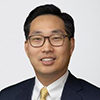
Jonathan H. Park represents trustees, beneficiaries, private fiduciaries, and financial institutions in fiduciary litigation as a partner in the Los Angeles office of Holland & Knight LLP.
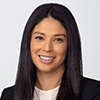
Amber N. Morton advises clients on mitigating, avoiding, and resolving trust and estate disputes before a lawsuit is filed, and litigates them when one is.
Live Video-Broadcast: November 18, 2026
2 hour CLE
Tuition: $195.00
Co-Sponsored by myLawCLE
Get this course, plus over 1,000+ of live webinars.
Learn More
Training 5 or more people?
Sign-up for a law firm subscription plan and each attorney in the firm receives free access to all CLE Programs
Program Summary
The Trustee’s Best Defense Is Built Before Anyone Objects
This program is not about winning a trust lawsuit. It is about the stretch before one is filed, while the trustee still controls the record. Trustee duties under the Uniform Trust Code, the Restatement, and common law, with a look at California law, set the standard every later decision is measured against.
Take a trustee fee without support, and the fee becomes the objection. Exercise discretion over a distribution without documentation, and the decision invites a claim. Prepare the accounting carelessly, and it becomes the beneficiary’s exhibit. Lose track of the statute of limitations, and exposure stays open. Change the trust instrument the wrong way, and the modification becomes the dispute.
You leave with the practices that keep trustees out of court: documenting administrative actions, keeping records, relying on professionals, and communicating with beneficiaries. You will weigh court approval and non-judicial settlements as ways to modify a trust without a lawsuit. And you will have a plan for the objection that arrives anyway: analyze it, preserve privilege, pursue early resolution, and prepare for litigation.
Key topics to be discussed:
- Trustee Duty Standards
Measure every administrative decision against the trustee duties set by the Uniform Trust Code, the Restatement, and common law, including how California law applies them. - Claim Triggers in Administration
Identify how trustee fees, discretionary distributions, accountings, trust interpretation, and final distributions create exposure to beneficiary claims, and define the trustee’s role when beneficiaries dispute the trust or will among themselves. - Protective Trustee Practices
Build a defensible record by documenting administrative actions, keeping complete records, preparing accountings, relying on professionals, tracking statutes of limitations, and communicating with beneficiaries throughout the administration. - Modifying Without Litigation
Choose among court approval and non-judicial settlements to change a trust instrument, matching each option to the circumstances in which it is appropriate. - Answering Beneficiary Objections
Analyze and respond to common beneficiary objections and claims while preserving the attorney-client privilege at every stage of the trustee’s response. - Resolution and Litigation Readiness
Pursue early dispute resolution while preparing the trustee for litigation, so the case is ready to proceed if the objection cannot be resolved.
This course is co-sponsored with myLawCLE.
Date / Time: November 18, 2026
- 2:30 pm – 4:40 pm Eastern
- 1:30 pm – 3:40 pm Central
- 12:30 am – 2:40 pm Mountain
- 11:30 am – 1:40 pm Pacific
 Closed-captioning available
Speakers
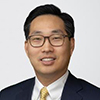 Jonathan H. Park, Partner | Holland & Knight LLP
Jonathan H. Park represents trustees, beneficiaries, private fiduciaries, and financial institutions in fiduciary litigation as a partner in the Los Angeles office of Holland & Knight LLP. His practice centers on complex trust and estate litigation together with probate and trust administration, and he approaches each trust dispute by pinpointing the issues actually driving it and pursuing the most efficient route to the client’s goal, often through informal dispute resolution and formal mediation.
- Education & Credentials
Mr. Park received his J.D. from New York University School of Law and his B.A. in Public Policy Studies from The University of Chicago. He is admitted to practice in California.
- Recognition & Leadership
Mr. Park is listed in The Best Lawyers in America for Litigation – Trust and Estates (2024–2027) and in the Chambers High Net Worth guide for Private Wealth Disputes: California (2026). In 2025, the Los Angeles Business Journal named him to its Leaders of Influence lists for both Thriving in Their 40s and Minority Attorneys. He was earlier recognized as a Rising Star by Southern California Super Lawyers magazine (2013–2016), and Holland & Knight has named him a Pro Bono All-Star (2020, 2021) and a Public and Charitable Service All-Star (2014–2018).
- Professional Involvement
He is a former co-chair of the Trusts and Estates Committee of the National Asian Pacific American Bar Association and belongs to the Trust and Estates Sections of both the State Bar of California and the Los Angeles County Bar Association. From 2018 to 2019 he served as a provisional director of the Korean American United Foundation, and he has given pro bono legal help to organizations including We The Action (Election Protection), Public Counsel, Bet Tzedek, and the Alliance for Children’s Rights.
- Experience
Mr. Park litigates fiduciary matters on both sides, pursuing claims for individual beneficiaries and defending trustees who face suit. At the trial and appellate levels, he has handled will and trust disputes, breach of fiduciary duty claims, contested conservatorships and guardianships, and financial elder abuse matters, including cases involving trusts and estates that hold complex commercial businesses and substantial real estate. He also works with individuals and families to evaluate potential disputes before they arise and to build succession plans for an orderly transition of control, administration, and distribution of estate assets.
A significant part of his practice serves national charities, universities, and other nonprofit, educational, religious, and tax-exempt organizations. For these clients he works to carry out donor intent by reducing administration fees, maximizing gift value, and expediting distributions, and he litigates when necessary to protect their interests, including recovering misappropriated assets.
Amber N. Morton, Associate | Holland & Knight LLP
Amber N. Morton advises clients on mitigating, avoiding, and resolving trust and estate disputes before a lawsuit is filed, and litigates them when one is. She is a Los Angeles attorney in Holland & Knight LLP’s Private Wealth Services Group and a member of its Trusts, Estates and Fiduciary Litigation Team, with a practice focused on complex trusts and estates litigation, including breach of fiduciary duty matters, trust and will contests, contested conservatorships, and financial elder abuse claims.
- Education & Credentials
Ms. Morton earned her J.D. from the University of Southern California Gould School of Law, where she was president of the Latino Law Students Association, a copy editor for the Southern California Review of Law and Social Justice, and a certified intern with the Post-Conviction Justice Project. She holds a B.S. in Foreign Service from Georgetown University, along with a Certificate in International Development. She is admitted in California and before the U.S. Court of Appeals for the Ninth Circuit and the U.S. District Court for the Central District of California.
- Recognition & Leadership
Ms. Morton is listed in Southern California Super Lawyers magazine for Estate & Trust Litigation (2023–2026), after being named a Rising Star in the same category from 2020 to 2022. She is also listed in The Best Lawyers in America for Litigation – Trust and Estates (2024–2027), and Los Angeles magazine included her in Best of L.A. Legal for 2026.
- Professional Involvement
She is a member of the American Bar Association, the California Young Lawyers Association, and the Los Angeles County Bar Association.
- Experience
Ms. Morton represents clients across every phase of a fiduciary dispute in state and federal courts. Before suit, she counsels clients on mitigating, avoiding, or resolving the dispute; once litigation begins, she handles discovery, law and motion practice, trial preparation, and trial, while pursuing resolution through settlement negotiations and mediation as well as at trial. Earlier, she served as a judicial extern to the Honorable Stephen Reinhardt of the U.S. Court of Appeals for the Ninth Circuit.
Agenda
SESSION 1 – Trustee Duties, Discretionary Decisions, and Preventing Fiduciary Claims | Jonathan Park, Amber Morton | 2:30pm – 3:30pm
This session examines the duties that govern every trustee decision under the Uniform Trust Code, the Restatement, and common law, including a brief discussion of California law. It then identifies the discretionary actions most likely to draw beneficiary claims and objections: trustee fees, discretionary distributions, accountings, trust interpretation, final distributions, and the trustee’s role when beneficiaries dispute a trust or will among themselves. The session closes with the practical steps that reduce fiduciary exposure, including documenting administrative actions, keeping records, preparing accountings, relying on professionals, tracking statutes of limitations, and communicating with beneficiaries.
BREAK | 3:30pm – 3:40pm
SESSION 2 – Trust Modifications, Beneficiary Objections, and Pre-Litigation Strategy | Jonathan Park, Amber Morton | 3:40pm – 4:40pm
This session addresses what to do when a trust instrument needs to change or a beneficiary pushes back. It compares the options for modifying a trust without a lawsuit, including court approval and non-judicial settlements, and the circumstances in which each is appropriate. It then turns to common beneficiary objections and claims: how to analyze and respond to them, how to preserve the attorney-client privilege, when to pursue early dispute resolution, and how to prepare for litigation. The session closes with a recap of best practices for administering a trust to avoid and defend against beneficiary objections and claims.
Credits
Alaska
Approved for CLE Credits
2 General
Alabama
Pending CLE Approval
2 General
Arkansas
Approved for CLE Credits
2 General
Arizona
Approved for CLE Credits
2 General
California
Approved for CLE Credits
2 General
Colorado
Pending CLE Approval
2 General
Connecticut
Approved for CLE Credits
2 General
District of Columbia
No MCLE Required
2 CLE Hour(s)
Delaware
Pending CLE Approval
2 General
Florida
Approved via Attorney Submission
2 General Hours
Georgia
Pending CLE Approval
2 General
Hawaii
Approved for CLE Credits
2 General
Iowa
Pending CLE Approval
2 General
Idaho
Pending CLE Approval
2 General
Illinois
Pending CLE Approval
2 General
Indiana
Pending CLE Approval
2 General
Kansas
Pending CLE Approval
2 Substantive
Kentucky
Pending CLE Approval
2 General
Louisiana
Pending CLE Approval
2 General
Massachusetts
No MCLE Required
2 CLE Hour(s)
Maryland
No MCLE Required
2 CLE Hour(s)
Maine
Pending CLE Approval
2 General
Michigan
No MCLE Required
2 CLE Hour(s)
Minnesota
Pending CLE Approval
2 General
Missouri
Approved for CLE Credits
2.4 General
Mississippi
Pending CLE Approval
2 General
Montana
Pending CLE Approval
2 General
North Carolina
Pending CLE Approval
2 General
North Dakota
Approved for CLE Credits
2 General
Nebraska
Pending CLE Approval
2 General
New Hampshire
Approved for CLE Credits
120 General minutes
New Jersey
Approved for CLE Credits
2 General
New Mexico
Approved for CLE Credits
2 General
Nevada
Pending CLE Approval
2 General
New York
Approved for CLE Credits
2 General
Ohio
Pending CLE Approval
2 General
Oklahoma
Pending CLE Approval
2.5 General
Oregon
Pending CLE Approval
2 General
Pennsylvania
Approved for CLE Credits
2 General
Rhode Island
Pending CLE Approval
2.5 General
South Carolina
Pending CLE Approval
2 General
South Dakota
No MCLE Required
2 CLE Hour(s)
Tennessee
Pending CLE Approval
2 General
Texas
Approved for CLE Credits
2 General
Utah
Pending CLE Approval
2 General
Virginia
Not Eligible
2 General Hours
Vermont
Approved for CLE Credits
2 General
Washington
Approved via Attorney Submission
2 Law & Legal Hours
Wisconsin
Pending CLE Approval
2 General
West Virginia
Pending CLE Approval
2.4 General
Wyoming
Pending CLE Approval
2 General
More CLE Webinars
Trending CLE Webinars










Upcoming CLE Webinars


















































© 2026 Federal Bar Association