
Church and Ministry Liability in 2026: Employment Claims, Clergy Misconduct, Church Autonomy, Revival Windows, and Election-Year Pulpit Speech
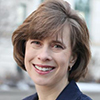
Sally Wagenmaker is an attorney whose work focuses on legal issues affecting churches and religious organizations. Her association with Church Law & Tax as a Senior Editorial Advisor reflects her involvement in providing legal insight and guidance on matters relevant to church leadership, governance, and organizational compliance.

Patrick Sternal is Of Counsel in the Washington, D.C. office of Holtzman Vogel, where his practice areas include Faith-Based Organizations, Corporate Governance, Non-Profit and Tax-Exempt Organizations, Political Law, Government Ethics Compliance, and Higher Education Compliance.
Live Video-Broadcast: November 16, 2026
2 hour CLE
Tuition: $195.00
Co-Sponsored by myLawCLE
Get this course, plus over 1,000+ of live webinars.
Learn More
Training 5 or more people?
Sign-up for a law firm subscription plan and each attorney in the firm receives free access to all CLE Programs
Program Summary
Your Religious Clients’ Legal Shields Are Being Redrawn—Right Before an Election and a Wave of Revived Claims
Religious institutions face an unusually turbulent legal moment. The pending cert petition in USCCB v. O'Connell could turn church autonomy from a litigation defense into a threshold immunity. Lorenzo v. San Francisco Zen Center and Union Gospel Mission of Yakima sharpen an open question: how widely does the ministerial exception bar employee claims?
Leave governance documents untouched, and state revival windows expose the institution to decadesold abuse claims. Overlook supervision of staff and volunteers, and negligent hiring, supervision, and retention frameworks impose liability independent of the wrongdoer. Mishandle wage claims, firing decisions, or harassment complaints, and secular claims can reach past the ministerial exception. Speak carelessly from the pulpit before the November 2026 election, and the Johnson Amendment still applies after its challenge was dismissed.
You walk out with practitioner work product, not a doctrine summary. Expect risk-tiered frameworks for pre-election speech, governance and handbook modifications that safeguard religious liberty, and document retention guidance. Add insurance adequacy checklists and litigation posture strategies, including when to press church autonomy for early dismissal. Each tool applies directly to a client’s own structure and exposure—judgment no generic summary can supply.
Key topics to be discussed:
- Ministerial Exception Guardrails
Apply the lessons of Lorenzo v. San Francisco Zen Center and Union Gospel Mission of Yakima to decide when the ministerial exception bars a claim and when a secular claim survives. - Employment Claims Exposure
Assess wage claims, hiring and firing decisions, sexual harassment claims, and defamation exposure, then strengthen job descriptions, employee handbooks, and pre-litigation steps. - Clergy Misconduct Liability
Evaluate how negligent hiring, supervision, and retention frameworks, expanded statute of limitation laws, and nondisclosure restrictions create institutional liability independent of the individual wrongdoer. - Governance as Legal Shield
Recommend governance structures, document retention policies, and insurance adequacy audits that limit exposure under state-specific revival windows, where congregational versus
hierarchical structure shapes supervisory liability. - Church Autonomy Strategy
Use the pending USCCB v. O'Connell cert petition to shape early-dismissal strategy and decide whether to raise church autonomy as an immunity from suit or as a defense. - Pre-Election Pulpit Speech
Distinguish risk tiers in pastoral and institutional speech before the November 2026 election after the E.D. Texas dismissal of the Johnson Amendment challenge.
This course is co-sponsored with myLawCLE.
Date / Time: November 16, 2026
- 2:30 pm – 4:40 pm Eastern
- 1:30 pm – 3:40 pm Central
- 12:30 pm – 2:40 pm Mountain
- 11:30 am – 1:40 pm Pacific
 Closed-captioning available
Speakers
Sally Wagenmaker, Founder and Partner | Wagenmaker & Oberly
Sally Wagenmaker is an attorney whose work focuses on legal issues affecting churches and religious organizations. Her association with Church Law & Tax as a Senior Editorial Advisor reflects her involvement in providing legal insight and guidance on matters relevant to church leadership, governance, and organizational compliance.
- Education & Credentials
Sally earned her Juris Doctor from Emory University School of Law and her undergraduate degree from the University of Mississippi. She is admitted to practice law in Illinois, Georgia, and Michigan and serves clients from offices in Chicago, Illinois, and Grand Haven, Michigan.
- Recognition & Leadership
Sally previously served as president of the Christian Legal Society (CLS) and has contributed to legal education and professional development for attorneys and nonprofit leaders. As a Senior Editorial Advisor for Church Law & Tax, she contributes legal insight and expertise to resources addressing issues faced by churches and other religious organizations.
- Professional Involvement
Sally regularly presents at workshops, conferences, and educational programs for nonprofit leaders and legal and tax professionals. She also writes extensively on nonprofit legal issues through her firm’s blog, with publications addressing federal tax exemption, religious liberty, state tax exemptions, nonprofit governance, and political advocacy. Her work helps nonprofit organizations understand their legal responsibilities and address emerging compliance concerns.
- Experience
Sally is a founding partner of Wagenmaker & Oberly, where she provides legal counsel to tax-exempt organizations, including churches, religious organizations, public charities, private foundations, trade associations, schools, and social service providers. Her practice encompasses corporate law, tax, employment, and real estate matters. She also advises on legal risks affecting churches and ministries, including organizational governance, employment practices, liability prevention, and compliance. Through her legal practice and editorial work, she helps nonprofit leaders identify potential legal challenges and make informed decisions about their organizations.
Patrick Sternal, Of Counsel | Holtzman Vogel
Patrick Sternal is Of Counsel in the Washington, D.C. office of Holtzman Vogel, where his practice areas include Faith-Based Organizations, Corporate Governance, Non-Profit and Tax-Exempt Organizations, Political Law, Government Ethics Compliance, and Higher Education Compliance. He brings nearly 20 years of experience with tax-exempt and nonprofit clients, providing legal and tax advice to charities, social welfare organizations, and other exempt entities on formation, obtaining and maintaining exempt status, ongoing tax and governance matters, mergers, and dissolutions. He also drafts contracts and other agreements and advises on a range of nonprofit transactions.
- Education & Credentials
Mr. Sternal earned his LL.M. in Taxation with high distinction from Loyola Law School, his J.D. from Ave Maria School of Law, and his B.A. in Liberal Arts from Thomas Aquinas College. He is admitted to practice in California and the District of Columbia.
- Professional Involvement
Mr. Sternal is a member of the TEGE Exempt Organizations Council and the Catholic Bar Association. He writes on the tax, governance, and political-activity questions facing religious and charitable organizations; publications listed under his profile at the firm include “Religious Organizations and Political Activity: A 2026 Election-Year Guide,” “Charitable Organizations in an Election Year: Frequently Asked Questions,” “IRS Enters into Consent Decree Limiting Application of Johnson Amendment,” “Back to Basics: Good Governance as Regulatory Prophylaxis,” “Tax Court Upholds Steep Penalties on Charity Insiders Who Diverted Funds,” and “IRS Form 990 Is Changing; Here’s Why Your Nonprofit Should Pay Attention.”
- Experience
Before joining Holtzman Vogel in 2025, Mr. Sternal was counsel at a boutique law firm, where he provided nonprofit tax and governance advice. He previously spent nearly ten years in the federal government, first as a Tax Law Specialist in the IRS Office of Tax Exempt and Government Entities, Rulings and Agreements, where he focused on exempt organization determinations and compliance, and then as an Attorney Advisor in the IRS Office of Chief Counsel, Exempt Organizations, where he drafted guidance and advised the IRS operating division on exempt organization matters.
That combination of agency and private-practice experience informs his counsel to churches, ministries, and other faith-based organizations on how the IRS approaches exempt status, governance, and political activity, and structuring their operations and documents to withstand regulatory and litigation scrutiny.
Agenda
SESSION 1 – Religious Employment Law and Clergy Misconduct: Legal Duties and Risk Management | Sally Wagenmaker | 2:30pm – 3:30pm
This session examines the intersection of employment law and religion dimensions significantly impacting religious institutions, including wage claims, hiring and firing decisions, sexual harassment claims, and defamation. Key legal lessons from Lorenzo v. San Francisco Zen Center and Union Gospel Mission of Yakima will be shared, to help attorneys advise clients on strengthening employer protections, distinguishing secular claims, and applying ministerial exception guardrails. Tools include job descriptions, employee handbooks, governance documents, and effective pre-litigation steps. Clergy misconduct will be addressed too within employment law parameters including expanded statute of limitation laws, trending nondisclosure legal restrictions, and negligent hiring, supervision, and retention frameworks that may generate institutional liability independent of individual wrongdoer conduct. Attendees will leave with a working framework for advising religious employer clients on employment practices, optimal legal protections, and pro-active steps to minimize litigation risk and foster organizational flourishing.
BREAK | 3:30pm – 3:40pm
SESSION 2 – Governance and Legal Protections for Religious Institutions | Patrick Sternal | 3:40pm – 4:40pm
This session examines the three most consequential governance and liability issues facing religious institutions heading into 2026: the pending Supreme Court cert petition in USCCB v. O’Connell that could redefine church autonomy as immunity rather than a mere defense, the final dismissal of the Johnson Amendment challenge and its practical implications for pulpit speech before the November 2026 election, and the accelerating wave of state revival window legislation exposing institutions to decades-old abuse claims. Attorneys gain a practical framework for advising religious institutions on governance structures, document retention, insurance adequacy, and litigation posture under each of these intersecting doctrines. Competencies gained include applying church autonomy doctrine to early-dismissal strategy, distinguishing risk tiers in pre-election pastoral and institutional speech, and assessing institutional exposure under state-specific SOL revival windows.
Credits
Alaska
Approved for CLE Credits
2 General
Alabama
Approved for CLE Credits
2 General
Arkansas
Approved for CLE Credits
2 General
Arizona
Approved for CLE Credits
2 General
California
Approved for CLE Credits
2 General
Colorado
Pending CLE Approval
2 General
Connecticut
Approved for CLE Credits
2 General
District of Columbia
No MCLE Required
2 CLE Hour(s)
Delaware
Pending CLE Approval
2 General
Florida
Approved via Attorney Submission
2 General Hours
Georgia
Pending CLE Approval
2 General
Hawaii
Approved for CLE Credits
2 General
Iowa
Pending CLE Approval
2 General
Idaho
Pending CLE Approval
2 General
Illinois
Approved for CLE Credits
2 General
Indiana
Pending CLE Approval
2 General
Kansas
Pending CLE Approval
2 Substantive
Kentucky
Pending CLE Approval
2 General
Louisiana
Pending CLE Approval
2 General
Massachusetts
No MCLE Required
2 CLE Hour(s)
Maryland
No MCLE Required
2 CLE Hour(s)
Maine
Pending CLE Approval
2 General
Michigan
No MCLE Required
2 CLE Hour(s)
Minnesota
Pending CLE Approval
2 General
Missouri
Approved for CLE Credits
2.4 General
Mississippi
Pending CLE Approval
2 General
Montana
Pending CLE Approval
2 General
North Carolina
Pending CLE Approval
2 General
North Dakota
Approved for CLE Credits
2 General
Nebraska
Pending CLE Approval
2 General
New Hampshire
Approved for CLE Credits
120 General minutes
New Jersey
Approved for CLE Credits
2 General
New Mexico
Approved for CLE Credits
2 General
Nevada
Approved for CLE Credits
2 General
New York
Approved for CLE Credits
2 General
Ohio
Approved for CLE Credits
2 General
Oklahoma
Pending CLE Approval
2.5 General
Oregon
Pending CLE Approval
2 General
Pennsylvania
Approved for CLE Credits
2 General
Rhode Island
Pending CLE Approval
2.5 General
South Carolina
Pending CLE Approval
2 General
South Dakota
No MCLE Required
2 CLE Hour(s)
Tennessee
Approved for CLE Credits
2 General
Texas
Approved for CLE Credits
2 General
Utah
Pending CLE Approval
2 General
Virginia
Not Eligible
2 General Hours
Vermont
Approved for CLE Credits
2 General
Washington
Approved via Attorney Submission
2 Law & Legal Hours
Wisconsin
Pending CLE Approval
2 General
West Virginia
Pending CLE Approval
2.4 General
Wyoming
Pending CLE Approval
2 General
More CLE Webinars
Trending CLE Webinars










Upcoming CLE Webinars
























































© 2026 Federal Bar Association