
Zeal Without the Sanction: Civility, Attorney Discipline, and the Litigation Record
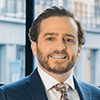
Guy D’Andrea is a civil trial lawyer and Co-Managing Partner of Laffey Bucci D’Andrea Reich & Ryan, LLP in Philadelphia, with more than 100 jury trials and hundreds of bench trials behind him. He teaches deposition practice and advanced trial advocacy at Drexel University Thomas R. Kline School of Law.
Live Video-Broadcast: November 24, 2026
2 hour CLE
Tuition: $195.00
Co-Sponsored by myLawCLE
Get this course, plus over 1,000+ of live webinars.
Learn More
Training 5 or more people?
Sign-up for a law firm subscription plan and each attorney in the firm receives free access to all CLE Programs
Program Summary
The Litigation Record Now Decides Fees, Sanctions, and Licenses
The California Supreme Court’s September 2025 rejection of proposed Rule 8.4.2 reshaped the regulatory landscape for incivility. Bar authorities still pursue uncivil conduct under existing professional conduct rules. ABA Formal Opinion 508 added coaching guardrails for remote depositions. Nevada’s AO 22-08 shows states building enforceable duties of their own.
Act uncivilly during litigation, and a court can cut the fee award through a negative lodestar multiplier. Cross the threshold, and sanctions follow under inherent power, § 1927, or Rule 11. Obstruct a deposition, and FRCP 30(d)(2) and Rule 37 come into play. Skip the incremental record, and terminating or fee-shifting sanctions stay out of reach. Let it reach the bar, and deposition misconduct can mean a suspended license.
Attendees walk out with a working toolkit: transcript-analysis techniques, meet-and-confer letter strategy, and video-deposition ground rules. They also get a step-by-step framework running from the first improper objection through a fully supported sanctions motion. Built from what courts have actually sanctioned, this is judgment work that no form generator supplies.
Key topics to be discussed:
- Fee Award Reductions
How courts cut a prevailing party’s fees through negative lodestar multipliers for incivility. - Sanctions Thresholds
How incivility crosses into sanctions under inherent power, § 1927, and Rule 11. - Bar Discipline Exposure
How Model Rules and the Rule 8.4.2 rejection keep license consequences in play. - Deposition Conduct Rules
How FRCP 30(d)(2), Rule 37, AO 22-08, and ABA Opinion 508 define sanctionable conduct. - Sanctions Record Toolkit
How case law, transcript analysis, and meet-and-confer letters build a sanctions motion. - Client Risk Management
How to protect clients and the litigation record when incivility threatens fees or licenses.
This course is co-sponsored with myLawCLE.
Date / Time: November 24, 2026
- 12:00 pm – 2:10 pm Eastern
- 11:00 am – 1:10 pm Central
- 10:00 am – 12:10 pm Mountain
- 9:00 am – 11:10 am Pacific
 Closed-captioning available
Speakers
Guy D’Andrea, Co-Managing Partner | Laffey Bucci D’Andrea Reich & Ryan, LLP
Guy D’Andrea is a civil trial lawyer and Co-Managing Partner of Laffey Bucci D’Andrea Reich & Ryan, LLP in Philadelphia, with more than 100 jury trials and hundreds of bench trials behind him. He teaches deposition practice and advanced trial advocacy at Drexel University Thomas R. Kline School of Law. His practice is devoted to survivors of sexual and physical abuse in institutional settings, and he has litigated against the Catholic Church, the Southern Baptist Church, the Seventh-Day Adventists, the Evangelical Lutheran Churches of America, and Scientology, among others.
- Education & Credentials
D’Andrea earned his Juris Doctor from Widener University School of Law in 2008 and his Bachelor of Arts from Loyola University Maryland in 2003. He is licensed in Pennsylvania and New York, and he is admitted before the United States District Courts for the Eastern and Middle Districts of Pennsylvania and the District of Maryland.
- Recognition & Leadership
D’Andrea is a former board member of the Trial Advocacy Honor Society. He serves on the Board of Governors of the American Association for Justice and on the boards of Public Justice and the National Crime Victim Bar Association, where he previously chaired the Young Lawyer’s Division. He is also a board member and Immediate Past Chair of the AAJ LGBT Caucus. His recognitions include Pennsylvania Super Lawyers® (2022, 2024-2026), The National Trial Lawyers Top 100 Civil Plaintiff’s Attorney (2023), and the Philadelphia Business Journal’s fifth annual Best of the Bar (2021).
- Professional Involvement
D’Andrea presents regularly on deposition strategy, delivering “When and Why to Depose Your Own Client” to the National Crime Victim Bar Association (2020), the American Association for Justice (May 2025), and the Virginia Trial Lawyers Association Annual Convention (March 2026), and a version titled “When, Why & How to Depose Your Own Client” to Child USA (2023). His other litigation programs include “Motions to Suppress: Legally and Ethically Obtaining Evidence” for the Philadelphia Police Department (2014-2016), “Effective Use of Technology in Litigation” at Drexel (2016), and “Ethical and Practical Uses of AI in Litigation” for Temple University and the Public Defender Association of Pennsylvania (2024). He is a member of the American Bar Association, the Pennsylvania Bar Association, the Philadelphia Trial Lawyers Association, the Pennsylvania Trial Lawyers Association, Trial Lawyers for Public Justice, and The National Trial Lawyers.
- Experience
At Drexel, D’Andrea teaches advanced trial advocacy courses with an emphasis on courtroom technology, along with a deposition course built around using technology to its full potential. He came to civil practice from the Philadelphia District Attorney’s Office, where he served as an Assistant District Attorney in the Homicide Unit and as Assistant Director of Training, and he has coached mock trial teams to regional and national recognition. His civil caseload covers abuse in schools, boarding schools, religious organizations, and healthcare settings, as well as bullying and hazing, massage therapy abuse, and crime victim matters. He was part of the team that secured a nearly $52 million settlement in 2020 for more than two dozen former students of Miracle Meadows School in West Virginia, and he leads a civil rights suit over alleged abuse at the Delaware County Juvenile Detention Center in which claims against Pennsylvania Department of Human Services officials survived a motion to dismiss in 2025.
Agenda
SESSION 1 – How Incivility Draws Sanctions, Bar Discipline, and Reduced Fee Awards | Guy D’Andrea | 12:00pm – 1:00pm
This session examines the concrete legal consequences that follow when incivility enters the litigation record. It opens with the fee-reduction pathway, showing how a court can reduce a prevailing party’s fee award through negative lodestar multipliers. It then walks through the sanctions taxonomy under inherent power, § 1927, and Rule 11, and the threshold incivility must reach before each applies. Bar discipline follows, covering the Model Rules, the California Supreme Court’s September 2025 rejection of proposed Rule 8.4.2, the disciplinary tools that remain, and how deposition or discovery misconduct translates into a license suspension, including the role of contrition. The session closes with practical risk management for protecting clients and the litigation record, including steps that keep incivility out of a published opinion or a fee-reduction order, followed by Q&A and takeaways.
BREAK | 1:00pm – 1:10pm
SESSION 2 – Building the Record Against an Uncivil Opponent in Depositions and Discovery | Guy D’Andrea | 1:10pm – 2:10pm
This session gives litigators a step-by-step framework for documenting an opponent’s misconduct during depositions and written discovery, from the first improper objection through a fully supported sanctions motion. It begins with the rule framework: what conduct is sanctionable under FRCP 30(d)(2), what the record needs to show, and how Rule 37 and state-level innovations like Nevada’s AO 22-08 create enforceable duties. It then turns to ABA Formal Opinion 508, its coaching guardrails for remote depositions, and how to put those ground rules on the record. Case law shows what courts have sanctioned and the transcript-analysis and evidentiary techniques they rely on when awarding sanctions or terminating sanctions. The tactical toolkit covers building the same incremental record in interrogatories, document requests, and boilerplate objections; meet-and-confer letter strategy; videodeposition ground rules; when to adjourn and seek a protective order versus pressing on; and the limits of a defending attorney’s obligations when the client is the one misbehaving. The session closes with Q&A and takeaways.
Credits
Alaska
Approved for CLE Credits
2 Ethics
Alabama
Pending CLE Approval
2 Ethics
Arkansas
Approved for CLE Credits
2 Ethics
Arizona
Approved for CLE Credits
2 Professional Responsibility/Ethics
California
Approved for CLE Credits
2 Ethics
Colorado
Pending CLE Approval
2 Ethics / Professionalism
Connecticut
Approved for CLE Credits
2 Ethics / Professionalism
District of Columbia
No MCLE Required
2 CLE Hour(s)
Delaware
Pending CLE Approval
2 Enhanced Ethics
Florida
Pending CLE Approval
2 Ethics
Georgia
Pending CLE Approval
2 Ethics
Hawaii
Approved for CLE Credits
2 Ethics or Professional Responsibility Education
Iowa
Pending CLE Approval
2 Ethics
Idaho
Pending CLE Approval
2 Ethics / Professionalism
Illinois
Pending CLE Approval
2 Ethics, Civility, Professionalism
Indiana
Pending CLE Approval
2 Ethics
Kansas
Pending CLE Approval
2 Ethics / Professionalism
Kentucky
Pending CLE Approval
2 Ethics
Louisiana
Pending CLE Approval
2 Ethics
Massachusetts
No MCLE Required
2 CLE Hour(s)
Maryland
No MCLE Required
2 CLE Hour(s)
Maine
Pending CLE Approval
2 Ethics / Professionalism
Michigan
No MCLE Required
2 CLE Hour(s)
Minnesota
Pending CLE Approval
2 Ethics
Missouri
Approved for CLE Credits
2.4 Ethics
Mississippi
Pending CLE Approval
2 Ethics
Montana
Pending CLE Approval
2 Professional Fitness and Integrity
North Carolina
Pending CLE Approval
2 Ethics
North Dakota
Approved for CLE Credits
2 Ethics
Nebraska
Pending CLE Approval
2 Professional Responsibility
New Hampshire
Approved for CLE Credits
120 Ethics / Professionalism minutes
New Jersey
Approved for CLE Credits
2 Ethics / Professionalism
New Mexico
Approved for CLE Credits
2 Ethics / Professionalism
Nevada
Pending CLE Approval
2 Ethics / Professionalism
New York
Approved for CLE Credits
2 Ethics / Professionalism
Ohio
Pending CLE Approval
2 Professional Conduct
Oklahoma
Pending CLE Approval
2.5 Ethics / Professionalism
Oregon
Pending CLE Approval
2 Ethics
Pennsylvania
Approved for CLE Credits
2 Ethics / Professionalism
Rhode Island
Pending CLE Approval
2.5 Ethics / Professionalism
South Carolina
Pending CLE Approval
2 Ethics / Professionalism
South Dakota
No MCLE Required
2 CLE Hour(s)
Tennessee
Pending CLE Approval
2 Dual
Texas
Approved for CLE Credits
2 Ethics / Professionalism
Utah
Pending CLE Approval
2 Ethics / Professionalism
Virginia
Not Eligible
2 Ethics / Professionalism Hours
Vermont
Approved for CLE Credits
2 Ethics
Washington
Approved via Attorney Submission
2 Ethics Hours
Wisconsin
Pending CLE Approval
2 Ethics
West Virginia
Pending CLE Approval
2.4 Ethics / Professionalism
Wyoming
Pending CLE Approval
2 Ethics / Professionalism
More CLE Webinars
Trending CLE Webinars










Upcoming CLE Webinars














































© 2026 Federal Bar Association