Responding to Federal Motions to Dismiss: Amend or Oppose, Defense Exhibits, and Retaining Leave to Replead
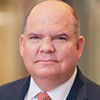
Most recently a Partner at Wigdor LLP, Lawrence M. Pearson has spent the last 16 years litigating discrimination, sexual harassment, retaliation, and whistleblower claims on behalf of employees and executives.
Live Video-Broadcast: December 14, 2026
2 hour CLE
Tuition: $195.00
Co-Sponsored by myLawCLE
Get this course, plus over 1,000+ of live webinars.
Learn More
Training 5 or more people?
Sign-up for a law firm subscription plan and each attorney in the firm receives free access to all CLE Programs
Program Summary
Your Client's One Chance to Amend Can Be Lost Before the Judge Rules
Federal judges, particularly in the Southern District of New York, increasingly use individual rules requiring pre-motion letters. Many of those rules limit plaintiffs to one chance to amend after a defendant moves to dismiss. Defense counsel may also attach videos, emails, and contracts to push a pleading motion toward an early merits ruling.
Miss the 21-day Rule 15(a)(1)(B) window, and the amendment as of right is gone. Stand on the complaint before an amend-now-or-never judge, and later leave may not come. Know Loreley v. Wells Fargo, and you know where the Second Circuit limits those rules. Object carelessly to a defense exhibit, and you invite conversion to summary judgment. Tuck a leave request into the opposition brief, and the court may deny it.
You walk out with case law, sample motion language, and a post-dismissal decision tree for amending, appealing, Rule 59(e), or refiling. Each supports a call no template makes for you: whether to amend or oppose, how to object to exhibits, and how to keep leave to replead. It is taught from the plaintiff's chair by a litigator who has argued before the Second Circuit.
Key topics to be discussed:
- The 21-Day Window
Protect the single Rule 15(a)(1)(B) window to amend as of right and spot the missteps that lose it. - Amend-Now-or-Never Rules
Navigate judges' individual rules that force an early election, using Loreley v. Wells Fargo to test their limits. - Triage and Response Letters
Triage the defense arguments, frame the pre-motion response letter, and check whether the movant has waived its own defenses. - Defense Exhibit Objections
Sort and object to defense exhibits on a motion to dismiss without inviting conversion, and know when Rule 56(d) comes into play. - Body-Worn Video Exhibits
Decide whether to object to body-worn video or argue that the footage does not clearly depict what the defense says it shows. - Leave and Post-Dismissal Paths
Preserve leave to replead by separate motion, then choose among amending, appealing, Rule 59(e), and refiling after dismissal.
This course is co-sponsored with myLawCLE.
Date / Time: December 14, 2026
- 12:00 pm – 2:10 pm Eastern
- 11:00 am – 1:10 pm Central
- 10:00 am – 12:10 pm Mountain
- 9:00 am – 11:10 am Pacific
 Closed-captioning available
Speakers
Lawrence M. Pearson, Partner | Wigdor LLP
Most recently a Partner at Wigdor LLP, Lawrence M. Pearson has spent the last 16 years litigating discrimination, sexual harassment, retaliation, and whistleblower claims on behalf of employees and executives. He has litigated hundreds of cases involving unlawful termination, contract violations, and torts to resolution in federal and state courts. He has argued two appeals before the Second Circuit Court of Appeals. Lawrence brings more than 25 years of labor and employment experience to his practice. Before joining Wigdor, he represented employers at Jackson Lewis LLP and practiced in the Labor & Employment Practice Group at Morgan Lewis LLP. Lawrence has just launched his own law practice in which he is representing individuals as well as employers, and expanding his services to include mediation and arbitration.
- Education & Credentials
Lawrence is admitted in New York and before the U.S. District Courts for the Southern and Eastern Districts of New York and the Court of Appeals for the Second Circuit. He received his J.D. from the University of Pennsylvania Law School. There he served as Book Review Editor of the Journal of Labor and Employment Law and received a Public Service Award for his work with the Philadelphia Unemployment Project. He earned his B.A., cum laude, from The George Washington University, where he was a member of the Honors Program and received a merit scholarship.
- Recognition & Leadership
Chambers USA has ranked Lawrence in Labor & Employment: Mainly Plaintiffs – New York. Best Lawyers has recognized him in Labor and Employment Litigation every year since 2019. He has appeared on the Lawdragon 500 Leading Employment Lawyers list since 2019 and on the New York Metro Super Lawyers list since 2014. He also holds a 10.0 “Superb” rating from Avvo.
- Professional Involvement
Lawrence speaks regularly on employment discrimination, sexual harassment, whistleblower retaliation, executive compensation, severance agreements, and restrictive covenants. He has written numerous articles on employment law topics, including for the New York Law Journal and Business Insider. He has appeared as a legal commentator on CNBC. His cases have been covered by outlets including The New York Times, The Wall Street Journal, Reuters, Bloomberg Law, and Law360. He also leads compliance training for management and employees. On a pro bono basis, he counsels a New York nonprofit that funds youth-led community projects worldwide and advises a mental health agency that helps adults return to work and community life.
- Experience
Lawrence argued two appeals before the Second Circuit for a former private wealth manager pursuing Sarbanes-Oxley whistleblower retaliation claims against JPMorgan Chase & Co. He has also won major court-filed motions for professionals, partners, and executives across the technology, consulting, financial services, and accounting industries. His federal cases include discrimination suits against a large bank, a large advertising company, and a start-up travel company.
His public results include a $400,000 jury verdict against Maxi-Aids, Inc. in a disability discrimination case and a $1.34 million default judgment against New York’s so-called “Taxi King.” He has litigated dozens of FINRA and AAA arbitrations, including one in which he defeated an employer’s $2.5 million clawback claim against a former executive. His verdicts, awards, and settlements total more than $50 million.
Agenda
SESSION 1 – The Plaintiff’s Amend-or-Oppose Election Under Rule 15 and Judges’ Individual Motion Rules | Lawrence M. Pearson | 12:00pm – 1:00pm
This session examines, from the plaintiff’s chair, the decision of whether to amend or stand when a federal motion to dismiss or pre-motion letter arrives in an employment, civil rights or tort case. The one-hour program will cover the single 21-day amendment Federal Rule of Civil Procedure 15(a)(1)(B) window and how it can be lost; amend-now-or-never individual judges’ rules and the Loreley v. Wells Fargo 2015 Second Circuit case; triage of defense arguments; how to handle response letters; and waiver of defenses by the movant.
BREAK | 1:00pm – 1:10pm
SESSION 2 – Opposing Federal Motions to Dismiss that Include Defense Exhibits and Preserving Leave to Replead | Lawrence M. Pearson | 1:10pm – 2:10pm
This one-hour session discusses from the plaintiff’s side federal motions to dismiss in civil litigation of employment, civil rights, and tort claims. It covers sorting and objecting to defense exhibits on a motion to dismiss, body-worn video exhibits, and potential conversation to a Rule 56(d) motion. In addition, preserving leave to amend or replead through a separate motion and choosing between amending, appealing, Rule 59(e), and refiling after dismissal.
Credits
Alaska
Approved for CLE Credits
2 General
Alabama
Approved for CLE Credits
2 General
Arkansas
Approved for CLE Credits
2 General
Arizona
Approved for CLE Credits
2 General
California
Approved for CLE Credits
2 General
Colorado
Pending CLE Approval
2 General
Connecticut
Approved for CLE Credits
2 General
District of Columbia
No MCLE Required
2 CLE Hour(s)
Delaware
Pending CLE Approval
2 General
Florida
Approved via Attorney Submission
2 General Hours
Georgia
Pending CLE Approval
2 General
Hawaii
Approved for CLE Credits
2 General
Iowa
Pending CLE Approval
2 General
Idaho
Pending CLE Approval
2 General
Illinois
Approved for CLE Credits
2 General
Indiana
Pending CLE Approval
2 General
Kansas
Pending CLE Approval
2 Substantive
Kentucky
Pending CLE Approval
2 General
Louisiana
Pending CLE Approval
2 General
Massachusetts
No MCLE Required
2 CLE Hour(s)
Maryland
No MCLE Required
2 CLE Hour(s)
Maine
Pending CLE Approval
2 General
Michigan
No MCLE Required
2 CLE Hour(s)
Minnesota
Pending CLE Approval
2 General
Missouri
Approved for CLE Credits
2.4 General
Mississippi
Pending CLE Approval
2 General
Montana
Pending CLE Approval
2 General
North Carolina
Pending CLE Approval
2 General
North Dakota
Approved for CLE Credits
2 General
Nebraska
Pending CLE Approval
2 General
New Hampshire
Approved for CLE Credits
120 General minutes
New Jersey
Approved for CLE Credits
2 General
New Mexico
Approved for CLE Credits
2 General
Nevada
Approved for CLE Credits
2 General
New York
Approved for CLE Credits
2 General
Ohio
Approved for CLE Credits
2 General
Oklahoma
Pending CLE Approval
2.5 General
Oregon
Pending CLE Approval
2 General
Pennsylvania
Approved for CLE Credits
2 General
Rhode Island
Pending CLE Approval
2.5 General
South Carolina
Pending CLE Approval
2 General
South Dakota
No MCLE Required
2 CLE Hour(s)
Tennessee
Approved for CLE Credits
2 General
Texas
Approved for CLE Credits
2 General
Utah
Pending CLE Approval
2 General
Virginia
Not Eligible
2 General Hours
Vermont
Approved for CLE Credits
2 General
Washington
Approved via Attorney Submission
2 Law & Legal Hours
Wisconsin
Pending CLE Approval
2 General
West Virginia
Pending CLE Approval
2.4 General
Wyoming
Pending CLE Approval
2 General
More CLE Webinars
Trending CLE Webinars









Upcoming CLE Webinars





















































© 2026 Federal Bar Association