Social Security Disability Law: Comprehensive Strategies from Filing to Appeals Council, Including Ethical Challenges
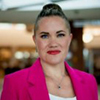
Sarah Soucie Eyberg practices Social Security Disability law exclusively, having founded her Minnesota firm in 2014. She built her practice around client service, learning early from her father that lawyering means serving clients first. Her model emphasizes frequent communication, attorney availability, and a teamwork approach to case development and direction. Compassionate and empathetic, she works to ensure that every client feels heard and validated and that all their questions are fully addressed.
On-Demand: August 26, 2026
2 hour CLE
Tuition: $195.00
Co-Sponsored by myLawCLE
Get this course, plus over 1,000+ of live webinars.
Learn More
Training 5 or more people?
Sign-up for a law firm subscription plan and each attorney in the firm receives free access to all CLE Programs
Program Summary
A claimant's file runs hundreds of pages, yet none of it ties her impairments to specific work limitations, and the ALJ denies the claim. By the time a case reaches the hearing, the record is largely fixed, and late-stage fixes rarely undo an early mistake. Current adjudication trends reward clarity and consistency over volume, so a disorganized file or an unprepared witness can collapse an otherwise strong claim. Solo and small-firm attorneys carry this risk directly, because they work on contingency, so a preventable denial costs them the fee, the client, and months of work.
This two-hour session covers building functional medical and vocational evidence from day one, developing internal systems that keep cases moving, preparing clients to testify credibly, framing a defensible disability theory, and judging honestly which cases warrant appeal. You'll be able to build a record that holds up under ALJ scrutiny, prepare a client who testifies with credibility, and recognize a failing case while there's still time to fix it.
What Will You Learn
Attorneys will learn to build strong medical and vocational evidence early, prepare clients to testify credibly, present persuasive arguments at the hearing level, and recognize failing cases.
What Will You Gain
They will gain the ability to provide compassionate but practical service from start to finish, and to avoid the mistakes that cost clients their cases.
Key topics to be discussed:
- Early development
Build the case from day one because late-stage fixes are rarely effective. - Medical evidence
Medical evidence wins cases only when functional, consistent, and tied to work limitations. - Client preparation
Hearing success depends on client preparation as much as legal argument. - ALJ expectations
ALJs are not looking for volume; they want clarity and consistency. - Disability theory
Weak theories sink strong facts, so develop a clear, defensible disability theory. - Appeal viability
Not every case should be appealed; learn to evaluate viability honestly.
This course is co-sponsored with myLawCLE.
 Closed-captioning available
Speakers
Sarah Soucie Eyberg, Founder and Owner | Soucie Eyberg Law, LLC
Sarah Soucie Eyberg practices Social Security Disability law exclusively, having founded her Minnesota firm in 2014. She built her practice around client service, learning early from her father that lawyering means serving clients first. Her model emphasizes frequent communication, attorney availability, and a teamwork approach to case development and direction. Compassionate and empathetic, she works to ensure that every client feels heard and validated and that all their questions are fully addressed.
- Education & Credentials
Sarah earned her Juris Doctor from William Mitchell College of Law, now Mitchell Hamline School of Law, after completing a Bachelor of Arts in Sociology and English at the University of St. Thomas. Attending Minnesota schools allowed her to build a legal network while still studying. She gives back to both institutions, serving as an adjunct professor at Mitchell Hamline and participating in the University of St. Thomas mentor program at the undergraduate and law school levels.
- Recognition & Leadership
The Minnesota State Bar Association named Sarah its Outstanding New Lawyer of the Year for 2018-2019, and she was recognized as a Rising Star Super Lawyer for 2020. Phi Alpha Delta Law Fraternity honored her with the Dan D. Halpin Award, and the New Lawyers Section named her Outstanding Section Member in 2016. As District Justice for Phi Alpha Delta’s District X, she mentored chapters across Minnesota, North Dakota, and Wisconsin and organized semiannual leadership conferences.
- Professional Involvement
Sarah belongs to the Minnesota State Bar Association, the Anoka County Bar Association, the American Bar Association, the National Organization of Social Security Claimants’ Representatives, Minnesota Women Lawyers, and Phi Alpha Delta Law Fraternity, International. She serves on the councils of the MSBA’s New Lawyers Section, Social Security Disability Section, and Practice Management and Marketing Section, and as an Assembly At-Large Representative to the MSBA Executive Council. She also stays active with her local chapter of the League of Women Voters.
- Experience
Sarah founded her firm in March 2014 and has focused her practice exclusively on Social Security Disability law ever since. She chose the field because it lets her help chronically ill and injured people secure the benefits they are owed. Recognizing that the application and appeals process is complex and weighted against claimants, she guides clients through the deadlines and procedures that overwhelm many who attempt the process alone, producing better outcomes through professional representation.
Agenda
SESSION 1 – Building the Case from Day One: Medical and Vocational Evidence | 1:00pm – 1:30pm
Strong claims start at intake, not at the hearing. Learn to gather functional medical and vocational evidence early, tie impairments to specific work limitations, and avoid late-stage fixes that rarely save a weak record.
SESSION 2 – Internal Systems and Workflows that Keep Cases Moving | 1:30pm – 2:00pm
Cases stall when files sit and deadlines slip. Build internal systems and workflows that track development tasks, flag missing records, and keep each claim advancing so nothing falls through between application and hearing.
BREAK | 2:00pm – 2:10pm
SESSION 3 – Preparing Clients to Testify and Arguing Persuasively at the Hearing | 2:10pm – 2:40pm
Hearing success depends on preparation as much as argument. Ready clients to testify in plain, consistent terms, develop a clear and defensible disability theory, and present focused arguments that give ALJs the clarity they reward.
SESSION 4 – Evaluating Appeals and Meeting Ethical Obligations | 2:40pm – 3:10pm
Not every denial should be appealed. Evaluate case viability honestly, then meet the ethical demands of this work: managing contingency fees, staying responsive to clients in crisis, and holding a high standard of advocacy throughout.
Credits
Alaska
Approved for CLE Credits
2 General
Alabama
Pending CLE Approval
2 General
Arkansas
Approved for CLE Credits
2 General
Arizona
Approved for CLE Credits
2 General
California
Approved for CLE Credits
2 General
Colorado
Pending CLE Approval
2 General
Connecticut
Approved for CLE Credits
2 General
District of Columbia
No MCLE Required
No MCLE Required
Delaware
Approved for CLE Credits
2 General
Florida
Pending CLE Approval
2 General
Georgia
Approved for CLE Credits
2 General
Hawaii
Approved for CLE Credits
2 General
Iowa
Pending CLE Approval
2 General
Idaho
Pending CLE Approval
2 General
Illinois
Approved for Self-Study Credits
2 General
Indiana
Approved For On-Demand Credits
2 General
Kansas
Pending CLE Approval
2 Substantive
Kentucky
Pending CLE Approval
2 General
Louisiana
Pending CLE Approval
2 General
Massachusetts
No MCLE Required
2 CLE Hour(s)
Maryland
No MCLE Required
2 CLE Hour(s)
Maine
Pending CLE Approval
2 General
Michigan
No MCLE Required
2 CLE Hour(s)
Minnesota
Approved for Self-Study Credits
2 General
Missouri
Approved for Self-Study Credits
2.4 General
Mississippi
Pending CLE Approval
2 General
Montana
Pending CLE Approval
2 General
North Carolina
Approved for Self-Study Credits
2 General
North Dakota
Approved for CLE Credits
2 General
Nebraska
Pending CLE Approval
2 General
New Hampshire
Approved for CLE Credits
120 General minutes
New Jersey
Approved for CLE Credits
2 General
New Mexico
Approved for Self-Study Credits
2 General
Nevada
Approved for Self-Study Credits
2 General
New York
Approved for CLE Credits
2 General
Ohio
Approved for Self-Study Credits
2 General
Oklahoma
Pending CLE Approval
2.5 General
Oregon
Approved for Self-Study Credits
2 General
Pennsylvania
Approved for Self-Study Credits
2 General
Rhode Island
Approved for Self-Study Credits
2 General
South Carolina
Pending CLE Approval
2 General
South Dakota
No MCLE Required
2 CLE Hour(s)
Tennessee
Approved for Self-Study Credits
2 General
Texas
Approved for CLE Credits
2 General
Utah
Pending CLE Approval
2 General
Virginia
Pending CLE Approval
2 General
Vermont
Approved for CLE Credits
2 General
Washington
Approved via Attorney Submission
2 Law & Legal Hours
Wisconsin
Approved for Self-Study Credits
2 General
West Virginia
Pending CLE Approval
2.4 General
Wyoming
Pending CLE Approval
2 General
Preview
More CLE Webinars
Trending CLE Webinars










Upcoming CLE Webinars


























































© 2026 Federal Bar Association